

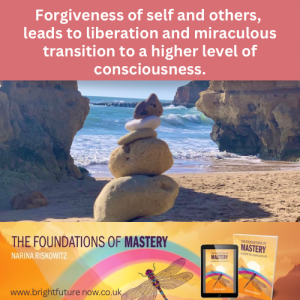
 What Science and Spirit Both Know
We’ve all been hurt. Some wounds are light scratches, others run deep into the body, heart, or psyche. In those moments, the urge to strike back, to make the other person feel what we felt, can be overwhelming. But what if the real path to healing isn’t found in revenge—but in forgiveness?
I’ve written about the healing power of forgiveness before, yet recent neuroscience research has added compelling weight to what psychological and spiritual traditions have known for centuries: forgiveness isn’t just a moral act—it’s a biological and emotional release – a deeply empowering one.
The Brain on Revenge
Recent Neuroscience research on revenge shows that when we feel wronged, our brain’s pain network lights up—particularly the anterior insula. In an attempt to rebalance itself, the brain seeks out pleasure. How? Hurting the person who hurt us. Psychiatrist James Kimmel, and author of books on revenge and forgiveness, first identified compulsive revenge seeking as an addiction. He made the study of revenge and forgiveness his life’s work after nearly committing a major revenge crime as a teenager.
Brain imaging studies show that the thought of revenge activates the same reward circuitry involved in addiction—the nucleus accumbens and dorsal striatum—flooding the brain with dopamine. In other words, revenge feels like a high. But, like all addictions, the crash follows. The pain returns, often worse. And now we’re not just in pain—we’re entangled in a cycle of harm. However, there is a wonderful way out of this cycle.
Forgiveness: A Biological Antidote
Forgiveness, even when simply imagined—not spoken aloud or shared—deactivates that pain circuitry. The anterior insula quiets. The pleasure circuits that fuel revenge fantasies are switched off. In their place, the prefrontal cortex—the brain’s rational, executive center—lights up. This shift restores our clarity, our ability to choose wisely, and our sense of personal control.
Neuroscience, then, reveals forgiveness as more than a moral virtue—it’s neurological liberation. A tool to reclaim peace, balance, and autonomy. It stops the suffering where it started: within us.
Forgiveness Is Not Approval
One of the most powerful truths about forgiveness is that it doesn’t mean condoning harmful behaviour. It doesn’t mean giving up your boundaries or staying silent. It means choosing not to let the pain define or drive you. It’s an act of self-healing—not a favour to the perpetrator.
As Gill Edwards (2010) points out, chronic anger and resentment can physically damage the heart. Hostility has been linked to hardening of the arteries and increased risk of heart attacks. Forgiveness, then, is not just emotional hygiene—it’s cardiovascular care.
As Jack Kornfield reminds us: we have all been wronged, and we have all caused suffering. Forgiveness returns us to our shared humanity.
A Higher Perspective
Looking through a spiritual lens, forgiveness often marks a shift in consciousness. Hypnotherapist Robert Schwartz (2012) describes how soul groups may pre-plan life experiences for growth—including painful ones. From this perspective, those who hurt us may actually be playing roles we agreed to on a soul level, not out of malice, but love—for our growth and evolution.
This doesn’t erase the pain, but it reframes it. When we step out of the ego’s story of blame and into the higher self’s view of learning, forgiveness becomes not only easier—it becomes natural.
As Shakespeare wrote, “All the world’s a stage, and all the men and women merely players.” When we understand that everyone is playing their part—even the difficult roles—we begin to loosen the grip of resentment.
Making Peace
Forgiveness is like an emotional and mental bath, as Doc Childre of HeartMath puts it. To take that bath, we must be willing to let go of judgement—even before we fully understand why something happened.
That release can feel like a weight lifting, like energy returning. We don’t need to rekindle relationships or forget the past—but we do need to make peace within ourselves.
Sometimes, the person we most need to forgive is ourselves. Self-criticism, guilt, or shame can be just as corrosive as anger toward others. Forgiveness, like love, must begin at home.
A Daily Practice
Forgiveness is not a one-time act. It’s an ongoing practice. Sometimes you’ll forgive and the pain will return. That’s okay. Forgive again. And again. Like the Hawaiian practice of Ho’oponopono, forgiveness is a ritual of renewal. A way of putting things right—within.
“I’m sorry. Please forgive me. I love you. Thank you.” These simple words can shift your internal world.
Forgiveness is a power practice. It’s the decision to choose peace over pain and to set yourself free. Science confirms it. Spirit affirms it. Your heart already knows it.
Read further:
The Science of Revenge and Forgiveness by James Kimmel
Resources and Products
Visit our Resources Page which offers a comprehensive list of products – meditative and therapeutic tools – that can be accessed for your ongoing self-development process. There’s a section designed to calm anxiety. A recorded hypnosis section is aimed at addressing commonly experienced issues like insomnia, stress, confidence and smoking or vaping cessation. Timeline journeys have also been created for ongoing therapeutic practices. Take a look at our Resources Page. There are a number of products that can be accessed free and other premium products are available at a small fee. The premium products link through to our brand new Ko-fi Shop which you can access here. We hope that you enjoy these resources and that they aid in your empowerment.
Transformational Meditations
As a great self-help tool, you can listen to Healing Meditation: Ho’oponopono – Cutting Connections– an exercise in forgiveness, healing and peacemaking.
Books
Lifting the Veils of Illusion, 7 Steps to Spiritual Enlightenment
The Foundations of Mastery, 12 Steps to a Fulfilled Life
Time Line Therapy™
Sometimes to heal fears and limiting beliefs, it’s best to get to the root cause. Time Line Therapy™ is highly effective in uncovering the root cause. Once we’ve found the root cause, deep-seated fears and doubts can release for good. Time Line Therapy™ is unique in its approach to emotional healing and resolves issues remarkably fast without having to go into too much detail. Time Line Therapy™ is equally effective in overcoming limiting beliefs and building empowering beliefs and confidence. For a detailed description just click here to Time Line Therapy™ on the website.
 Natural Wellness Blog
Our Wellness Blog, is inspired by Nature on Prescription and Food on Prescription. This month we explore how stargazing can help your mental heath and the health benefits and joy of summer fruits. Access it here now for practical inspiration on pro-active health.
Cosmic Overview and Current Energies
We’re birthing a new era. What does Summer 2025 hold for you? Get a feel for the current climate energetically so that you can flow with life, take a higher perspective and see things clearly … Read more for the bigger picture.
Newsletter
Sign up for our monthly newsletter and receive a wealth of self-help resources, tips and information on mental, emotional and physical well-being. Sign up for the monthly newsletter here to stay updated.
For all courses, visit the Events Calendar.
 Cultivate healthy sleep habits can be one of the most powerful tools for promoting long-term mental and physical well-being. If you’ve ever experienced a restless night, you know how it can impact your mood, focus, and energy levels the next day. While occasional restlessness is normal, prolonged poor sleep can have more serious consequences, including an increased risk of cognitive decline.